
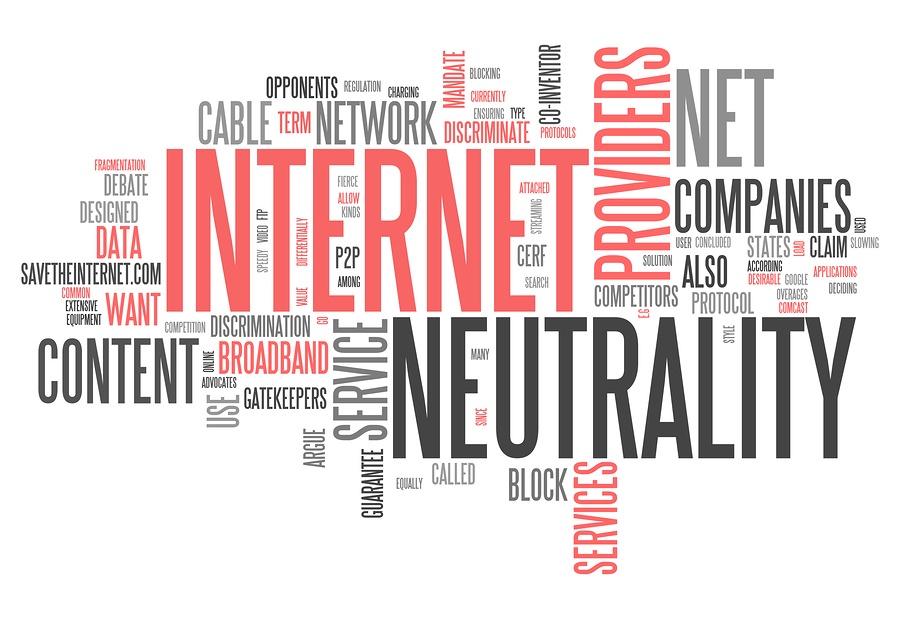
Facebook, Amazon, and Netflix are among the largest websites that participated in the July 12th protest against the FCC's decision to submit a final proposal to reverse rules made in 2015, which would allow them to take more control of the web. Most action had been taken behind the scenes during this protest; however, the front page of Reddit.com, where this pop-up message had displayed painfully slow over top of the main content, had been the most visible.

CBOSS is pleased to announce that one of our own, Mike Lendvay, has achieved the Certified Information Systems Security Professional (CISSP) certification.

“Phishing” is defined by the United States Computer Emergency Readiness Team (US-CERT) as “… an attempt by an individual or group to solicit personal information from unsuspecting users by employing social engineering techniques.” Much like “fishing”, “phishing” also involves setting the trap and waiting for their potential victim to take the bait.
Phishing comes in many forms. The most common type of phishing attempts are in the form of an email. However, victims could also be the target of spoofed social media accounts, malicious websites, or unsolicited phone calls.

Starting the end of last week, computer systems in over 70 countries across the globe were hit by virulent strain of malware going by the names Wanna Decryptor, Wcry, or Wanna Cry. Included in innumerable victims of this attack were many systems at the British National Health Service. The malware spread quickly through affected networks, encrypting all personal data and demanding a ransom in bitcoin equivalent to $300 per affected system.